This week’s post contains audio clips from my interview with sort of awkward but extraordinary interview with Rick Perry, as well as all the gossip and pontifications that couldn’t fit into the New Yorker story. If you’d like to read past the paywall, subscribe to Rave New World—or forward this to a few friends to get a comped sub.
As many Lhooq supporters and simps already know, I debuted in the New Yorker this month, with a piece about the coterie of conservative cowboys who’ve charged to the forefront of psychedelic legalization. You can catch up on it here, listen to me gab on the Political Scene podcast, or—for the truly attention challenged—watch the highlights over on IG.
As a New Yorker neophyte, I thoroughly enjoyed the exotic experience of old-school journalism, particularly working with the fact-checker, a middle-aged woman named Bea with a full-throated laugh who compared her job to being a “janitor” who cleans up after everyone else. While I’ve worked with fact-checkers elsewhere, the density of this story’s reporting resulted in an unmatched intimacy. Bea reviewed all the recordings, notes, and videos I’d taken over the past six months, and the feeling was like she was holding my hand as we backtracked through a winding path I’d thwacked through a thicket, scrutinizing every stick and stone.
I didn’t expect this granular fidelity to the truth to also be so life-affirming? I mean, this is a job that AI could never. Because it’s not about Googling a bunch of shit to discern fact versus fiction, but all the different degrees of truth, and how to focus a story’s aperture to the sharpest version. As Bea told me herself, it entails calling up sources and asking them, “is this what you really meant?”
God bless the fact-checkers, the last bulwark against the postmodern combustion of objectivity.
I started writing this story from a place of deep ambivalence. My consciousness has been shaped by the progressive-left values of the dancefloor, and I found it difficult to reconcile how the so-called “enemy” had orchestrated this historic win for the psychedelic movement, moving the political needle and bagging millions of dollars for much-needed research. I didn’t know if I could trust them. Even more confusingly, many leaders in the space celebrated the news as win for the greater good, instead of a devil’s bargain. In the months since, I’ve started to see more pointed critiques from the anarchist left, like this op-ed written by underground practitioner Dimitri Mugianis.
As a friend of mine asked me over text: should these forces be allowed to continue unopposed, or should there be a fight? Is this the path to liberation—or does it mean war?
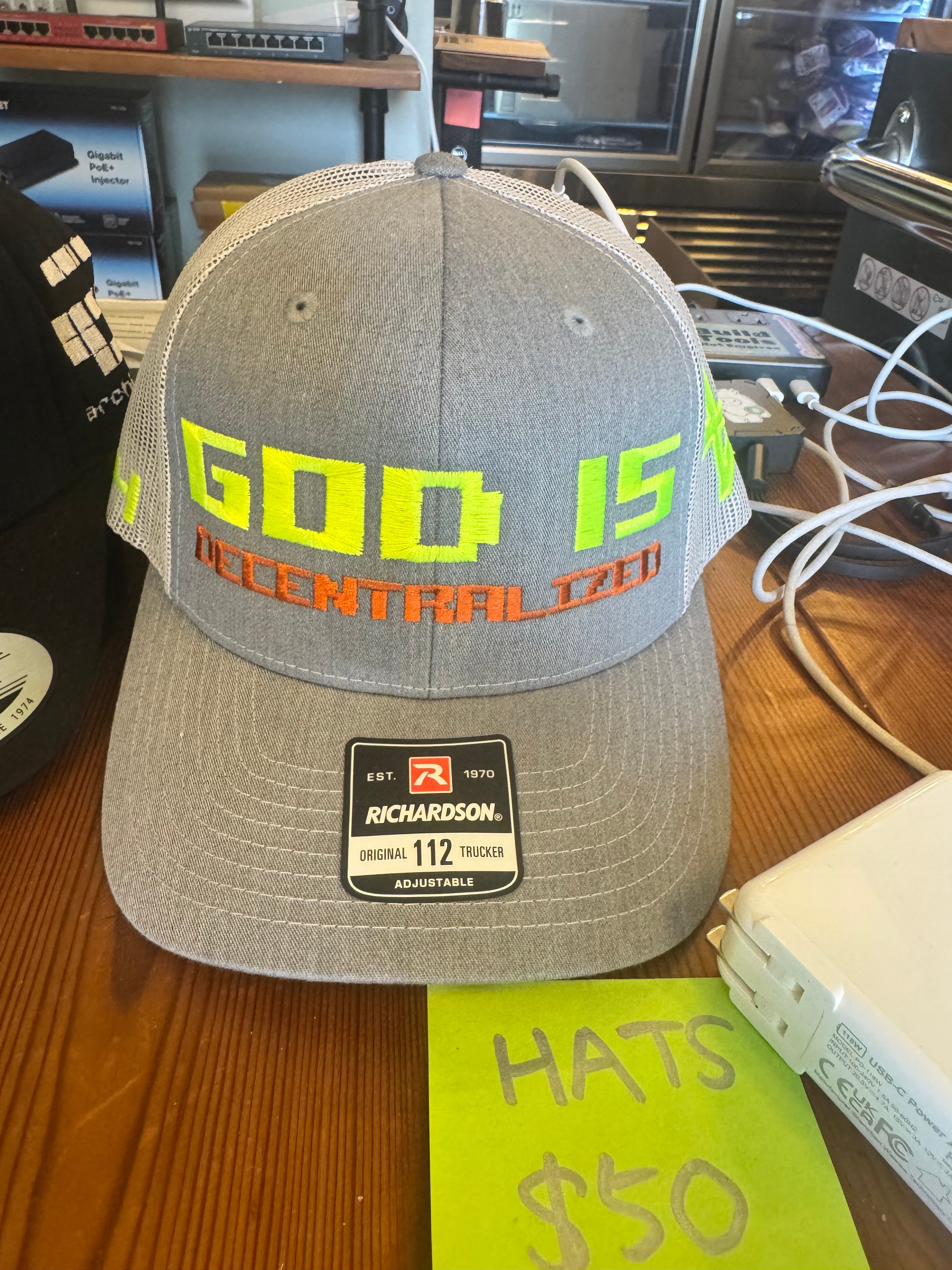
I felt compelled to go behind enemy lines, fly to Texas, and put on some cowboy boots. Which is how I found myself in almost comically strange rooms, like a health club in Austin run by a MAHA supporter that was full of crypto-libertarian merch that said “GOD IS DECENTRALIZED.” At this Americans for Ibogaine fundraiser, proudly redneck ranchers told me about their ibogaine trips in between bites of brisket. But I also ran into an LA weed guy I knew from my days organizing Weed Rave, chatted with an activist who helped pass Colorado’s psychedelic bills, and met the CEO of a biohacking company that is doing some truly sci-fi, gene-hacking shit. It became clear that the ibogaine movement was pulling in all kinds of demographics—not just trad Republicans. Instead, these people often classified themselves as some undefinable third thing—an alternate positioning that may be the end point of the political horseshoe moment we’re living in.
“I do not think about left and right. I think about simplicity versus complexity as the real political spectrum,” the host of the event, a self-identified philosopher named Dean Berlinerblau, told me. “It’s the difference between those who are overly rigid with their perspectives and come to simplified conclusions, and those who can hold complexity and integrate contradictory perspectives.”
Well, when he put it that way, I wanted to be on the side of pro-complexity too! To escape from the numb-brained dialectics of performative politics, and expose myself to challenging perspectives that might broaden my worldview. The question was where the threshold lay between openness and self-betrayal—how much difference I could accept before losing myself into the grey. I also wondered if this kind of pseudo-centrist language might be just a cover-up for conservative contrarianism, in that Bari Weiss bullshit kind of way. The only way I could figure it out was to keep going.